
Restore the damage. Preserve more of the tooth.
A custom inlay or onlay can repair a damaged back tooth when a filling may not provide enough coverage but a full dental crown may not be necessary.
At Country Club Dentistry, Dr. Rod Strober uses digital scanning and CEREC technology to design precise, tooth-colored restorations that rebuild strength, shape, bite, and function.
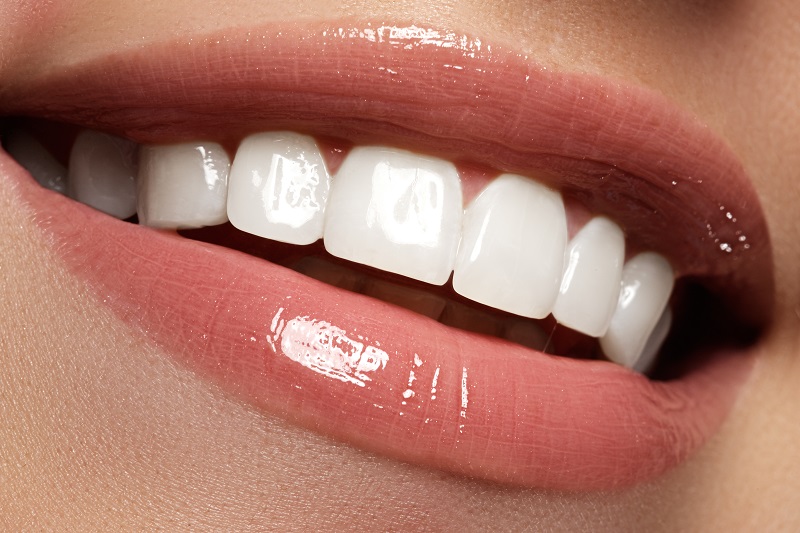
The conservative space between a filling and a crown.
Dental inlays and onlays are custom restorations bonded into a damaged or decayed area of a tooth. They are most commonly used on premolars and molars, where chewing forces and tooth anatomy require a durable, accurately fitted restoration.
An inlay fits within the raised cusps of the tooth. An onlay extends over one or more cusps when those areas also need to be rebuilt or protected.
Because neither restoration automatically covers the entire tooth, inlays and onlays can preserve more healthy structure than a full-coverage crown when the remaining tooth is strong enough.
The extent and location of damage help determine the restoration.
Dr. Strober evaluates the amount of healthy tooth remaining, whether the cusps are weakened, bite pressure, existing restorations, cracks, decay, and the location of the tooth.
Dental Filling
Placed directly into a relatively small prepared area of the tooth.
Damage is limited and the surrounding tooth structure remains capable of supporting a direct restoration.
Dental Inlay
Fits inside the raised cusps without covering the complete chewing surface.
The damaged area is larger than a routine filling but the cusps remain sufficiently intact.
Dental Onlay
Rebuilds the central portion of the tooth and extends over one or more weakened cusps.
A cusp is cracked, worn, undermined, or unable to support a smaller restoration predictably.
Dental Crown
Covers most or all of the visible tooth above the gumline.
More extensive structural support is needed because of a large fracture, major restoration, weakness, or another clinical concern.
Enough damage to need protection. Enough healthy tooth to preserve.
A large area of decay
An indirect restoration may be considered when removing decay leaves an area too extensive for a predictable direct filling.
A damaged or weakened cusp
An onlay can extend over a compromised cusp to rebuild its shape and distribute chewing pressure across the restoration.
A failing large filling
A worn, leaking, fractured, or repeatedly repaired filling may leave too little reliable structure for another direct repair.
Selected cracks or fractures
Some cracks can be stabilized with bonded coverage. The location, depth, symptoms, and amount of healthy structure determine whether an onlay, crown, or another treatment is more appropriate.
Significant chewing-surface wear
A custom restoration can rebuild lost contours and restore more appropriate contact with the opposing teeth.
A desire to conserve healthy structure
When clinical conditions allow, an inlay or onlay may avoid the additional coverage required for a complete dental crown.
Designed to restore the tooth without dominating it.
Shade, contour, contact, surface anatomy, and bite are refined so the completed restoration coordinates with the surrounding tooth.
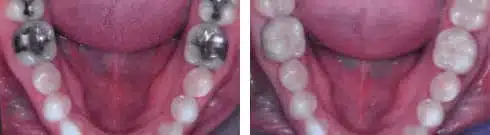
Digital restorative care without a generic result.
For eligible cases, Country Club Dentistry can scan, design, mill, and place a permanent inlay or onlay during one scheduled visit.
Remove decay and unstable material
The tooth is anesthetized when appropriate, and damaged structure, decay, or a failing restoration is carefully removed.
Create a three-dimensional digital record
A digital scanner captures the prepared tooth, adjacent teeth, opposing arch, and bite relationship.
Rebuild the missing anatomy
Dr. Strober designs the restoration’s contacts, contours, chewing surface, margins, and relationship to the opposing teeth.
Mill the restoration in the office
The selected ceramic or restorative block is shaped by the CEREC milling unit according to the digital design.
Check, refine, and place
Fit, contacts, shade, margins, and bite are evaluated before the restoration is bonded and polished.
Same-day treatment depends on the tooth, restoration size, selected material, bite, moisture control, symptoms, and whether additional treatment is required. Some cases may need a different restorative workflow.
Explore CEREC Dental CrownsConservative does not mean incomplete.
A carefully selected inlay or onlay can provide the coverage a tooth needs while respecting the healthy structure that remains.
Preserves healthy tooth structure
The preparation is limited to damaged, decayed, unsupported, or otherwise necessary areas rather than automatically covering the complete tooth.
Custom fit from a digital scan
The restoration is designed for the prepared tooth, neighboring teeth, bite, contact points, and chewing-surface anatomy.
Tooth-colored appearance
Modern ceramic materials can coordinate with the surrounding tooth while rebuilding the missing structure.
Bonded reinforcement
Adhesive placement joins the restoration to the prepared tooth and helps the completed structure function as a coordinated unit.
Stable chewing contours
The restoration can rebuild grooves, ridges, cusps, and contact areas needed for an effective bite.
Potential single-visit treatment
Eligible CEREC cases may be completed without a temporary restoration or a separate laboratory delivery appointment.
The restoration must match the condition of the tooth—not simply the size of the cavity.
- A back tooth has moderate decay or structural damage
- A large existing filling is failing or fractured
- One or more cusps require coverage or reinforcement
- Enough healthy tooth remains to support bonded treatment
- The tooth does not require complete crown coverage
- The margins can be cleaned and maintained effectively
- The bite can be managed with the planned restoration
- The tooth is free of untreated infection
- The tooth has extensive structural loss
- A fracture extends too deeply beneath the gumline
- The dental pulp or nerve requires treatment
- Decay extends beyond the area that can be restored predictably
- Too little enamel remains for the intended bonding strategy
- The tooth cannot be isolated adequately during placement
- Severe grinding creates excessive restorative risk
- The tooth cannot be saved and requires extraction
A restored tooth still needs time, attention, and continuing care.
Temporary sensitivity to pressure, temperature, or biting can occur after restorative treatment. The experience varies according to the depth of the original damage, proximity to the nerve, bite adjustment, bonding procedure, and individual response.
Contact Country Club Dentistry if the bite feels uneven, discomfort increases instead of improving, the tooth becomes persistently sensitive, or the restoration feels loose or damaged.
The restoration cannot protect the tooth by itself.
Longevity varies according to the material, restoration size, bite, oral hygiene, decay risk, grinding, diet, trauma, and regular professional care.
Brush twice each day
Use fluoride toothpaste to clean the restored tooth, surrounding enamel, and gumline.
Clean between the teeth
Daily flossing or another recommended interdental method helps protect the restoration’s contact areas and margins.
Do not chew hard objects
Ice, pens, hard candy, nutshells, and packaging can damage natural teeth as well as ceramic restorations.
Manage grinding and clenching
A protective appliance may be recommended when repeated bite force increases the risk of tooth or restoration damage.
Keep regular dental visits
Examinations help monitor the margins, bite, surrounding tooth, gums, adjacent contacts, and any changes beneath or around the restoration.
Do not ignore new symptoms
Report pain, swelling, lingering sensitivity, roughness, movement, cracks, or a sudden change in the way the teeth meet.

Preserve what is healthy. Rebuild only what the tooth needs.
Dr. Rod Strober has practiced dentistry since 1993 and combines restorative experience with digital scanning, CEREC design, cosmetic judgment, and careful evaluation of the bite.
His approach is not to automatically place the largest restoration. It is to determine whether the tooth is best served by a filling, inlay, onlay, crown, root canal treatment, or another appropriate form of care.
Every recommendation considers the health of the tooth, the remaining structure, long-term function, cleanability, appearance, and the patient’s individual goals.
Suite A & B
Rancho Mirage, CA 92270
9:00 AM–5:00 PM
Questions about restoring a damaged tooth?
A clinical examination and diagnostic imaging are needed to determine whether a filling, inlay, onlay, crown, or another treatment is appropriate.
01 What is the difference between an inlay and an onlay?
An inlay fits within the raised cusps of a tooth. An onlay extends over one or more cusps when those portions of the tooth also require rebuilding or protection.
02 How is an inlay different from a filling?
A filling is generally shaped directly inside the prepared tooth. An inlay is designed as a custom indirect restoration and then bonded into the prepared area.
03 How is an onlay different from a dental crown?
An onlay covers the damaged central area and selected cusps while leaving appropriate healthy surfaces uncovered. A crown typically covers most or all of the visible tooth above the gumline.
04 Can an inlay or onlay repair a cracked tooth?
Some cracks may be stabilized with bonded coverage, but treatment depends on the crack’s location, depth, symptoms, and the amount of healthy structure remaining. Some teeth require a crown, root canal treatment, or extraction instead.
05 Can an inlay or onlay be completed in one visit?
Eligible CEREC cases may be scanned, designed, milled, and placed during one scheduled visit. Same-day treatment depends on the tooth, material, restoration design, symptoms, bite, and whether additional care is needed.
06 Will I need a temporary restoration?
A temporary may not be needed when a permanent CEREC restoration is completed during the same appointment. Cases made through another workflow may require temporary protection between visits.
07 Are inlays and onlays tooth-colored?
They may be created from tooth-colored ceramic or other restorative materials selected according to the tooth, bite, appearance, and clinical requirements.
08 Is the procedure painful?
Local anesthesia is commonly used while the tooth is prepared. Temporary sensitivity or tenderness can occur afterward, with the experience varying according to the original damage and depth of treatment.
09 How long do dental inlays and onlays last?
Longevity varies. Material, restoration size, bite forces, grinding, oral hygiene, decay risk, diet, trauma, and regular dental care all influence how long a restoration remains serviceable.
10 Can a tooth develop decay around an inlay or onlay?
Yes. The restoration itself does not develop a cavity, but natural tooth structure remains around and beneath it. Daily cleaning and regular examinations remain important.
11 What happens if the restoration breaks or feels loose?
Contact Country Club Dentistry promptly. Dr. Strober will evaluate the restoration, supporting tooth, bite, and underlying cause to determine whether it can be repaired, re-bonded, or replaced.
12 How do I schedule an evaluation?
Request an appointment online or call Country Club Dentistry at (760) 832-7915.
Patient Education Sources
Information on this page is educational and does not replace an examination, diagnosis, or individualized treatment recommendation.
Protect the tooth before the damage grows.
Schedule an evaluation with Dr. Rod Strober to determine whether your tooth is best restored with a filling, CEREC inlay, onlay, dental crown, or another personalized treatment.