
Close the gap. Restore the whole smile.
A custom dental bridge can replace one or more missing teeth, restore a more complete smile, and improve the way your teeth work together. Dr. Rod Strober provides tooth-supported, implant-supported, and select digitally created bridge options at Country Club Dentistry.
Restore the visible space left by one or more lost teeth.
Improve chewing support, speech, and tooth-to-tooth balance.
Choose natural-tooth or dental-implant support when appropriate.
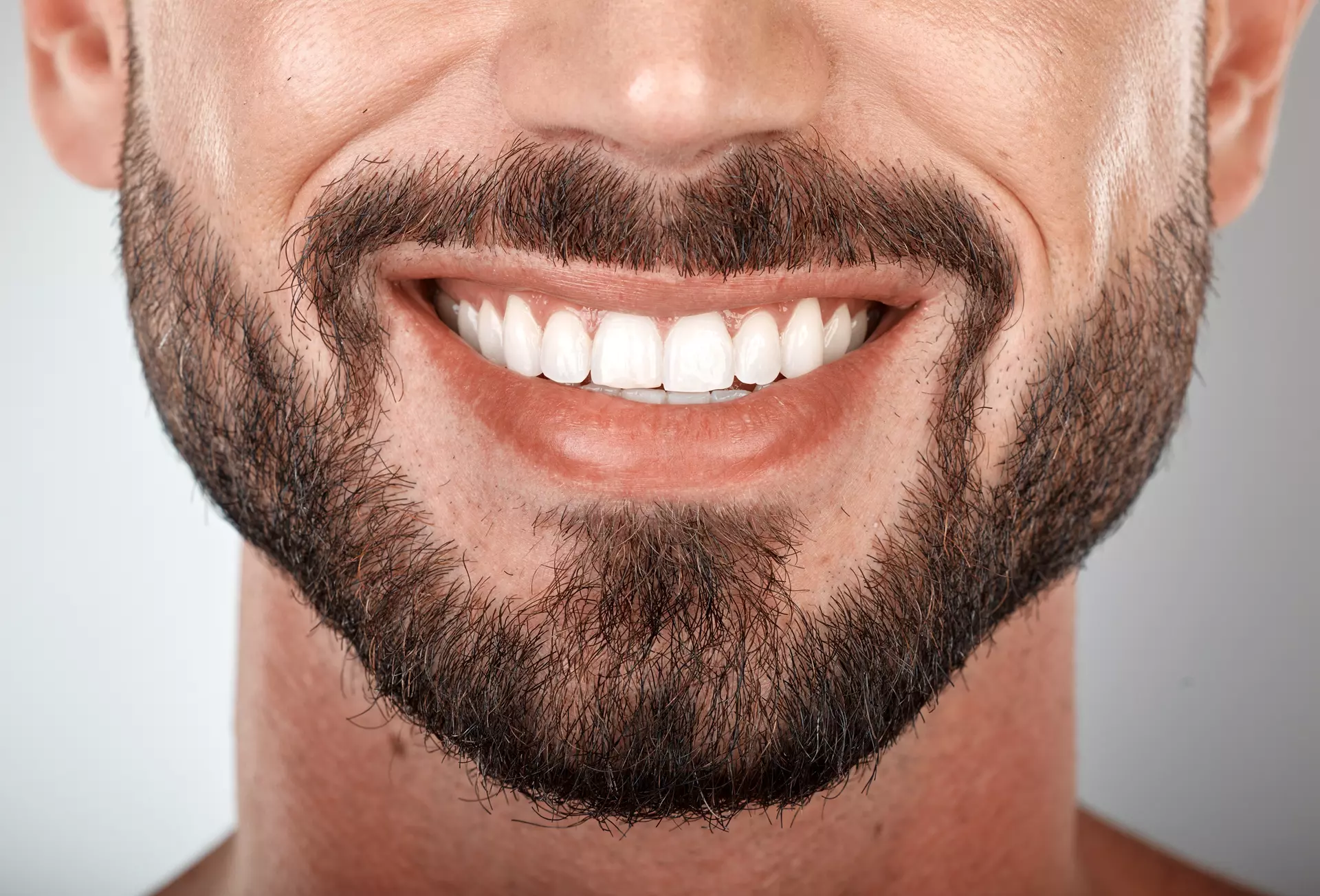
One missing tooth can influence the rest of your smile.
Missing teeth can affect more than appearance. Depending on the location of the space, patients may notice changes in chewing, speech, bite balance, or the position of nearby teeth.
A dental bridge fills the open space with one or more artificial teeth. The restoration may be supported by neighboring natural teeth, dental implants, or another carefully selected design.
Explore Restorative Dental CareWhat is a dental bridge?
A fixed dental bridge uses artificial teeth to span a missing-tooth space. Its exact design depends on the number of missing teeth, available support, bite forces, oral health, and restorative goals.
Pontic
The pontic is the artificial tooth that occupies the open space and restores the visible portion of the missing tooth.
Abutments
Abutments are the supporting natural teeth or dental implants that help hold the bridge securely in place.
Retainers
Retainers connect the pontic to its support. They may take the form of crowns, implant components, or bonded wings.
The supporting teeth or implants must be able to withstand the forces placed on the restoration. Dr. Strober evaluates the foundation before recommending a bridge design.
The right bridge depends on where support is available.
Traditional Dental Bridge
A traditional bridge commonly uses crowns on teeth beside the space to support one or more replacement teeth.
- Often used for a single missing tooth
- Requires suitable teeth on both sides
- Supporting teeth are prepared for crowns
Implant-Supported Bridge
Dental implants can support a bridge without requiring neighboring natural teeth to carry the restoration.
- Can replace several adjacent teeth
- Uses implants as the bridge foundation
- Requires surgical and restorative planning
Resin-Bonded Bridge
Also known as a Maryland-style bridge, this restoration uses bonded wings behind nearby teeth in carefully selected cases.
- More conservative tooth preparation
- Often considered in lower-force areas
- Not appropriate for every bite or location
Cantilever Bridge
A cantilever bridge receives support from one side of the missing-tooth space and is reserved for limited clinical situations.
- Used only when forces can be controlled
- Requires careful case selection
- May not be appropriate for back teeth
Select bridges may be completed through a CEREC workflow.
CEREC uses digital scanning, computer-aided design, and in-office milling to create ceramic restorations. Depending on the bridge length, material, location, bite, and supporting teeth, Dr. Strober may be able to design and place a qualifying bridge in one appointment.
More complex bridges, implant-supported restorations, and cases requiring specialized materials may involve additional appointments, healing, or coordination with a dental laboratory.
Explore Our Dental TechnologyDigital scan
The prepared teeth, surrounding anatomy, and bite are captured digitally.
Restoration design
The bridge is designed for contact, contour, alignment, bite, and appearance.
In-office fabrication
A qualifying ceramic bridge can be milled from an appropriate restorative material.
Fit and placement
Dr. Strober evaluates the fit, contacts, bite, shade, and contours before placement.
Replace what is missing without overpowering the smile.
A well-designed bridge should coordinate with nearby teeth in color, shape, proportion, surface character, and bite.
Individual results vary. Treatment recommendations depend on the health of the supporting teeth or implants and the needs of the missing-tooth space.
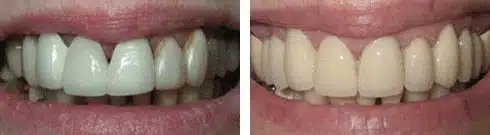
Treatment begins by building the right foundation.
Your treatment sequence depends on whether the bridge is supported by natural teeth or dental implants. Dr. Strober will explain the steps, timing, materials, and alternatives before treatment begins.
Schedule an EvaluationTooth-Supported Bridge
-
01
Examination and planning
The missing space, supporting teeth, gums, bite, and restorative options are evaluated.
-
02
Supporting-tooth preparation
The abutment teeth are prepared when full-coverage crowns will support the bridge.
-
03
Digital impression
A digital scan records the prepared teeth, opposing teeth, and bite relationship.
-
04
Bridge fabrication
The restoration may be created through an appropriate CEREC workflow or dental laboratory.
-
05
Final placement
The bridge is checked for fit, appearance, contacts, and bite before it is bonded.
Implant-Supported Bridge
-
01
Three-dimensional planning
Imaging helps evaluate bone volume, anatomy, implant positions, and restorative space.
-
02
Preparatory treatment
Extractions, gum treatment, or bone grafting may be completed when necessary.
-
03
Implant placement
Dental implants are positioned to support the planned bridge.
-
04
Healing or immediate loading
Some patients receive temporary teeth immediately, while others require healing before loading.
-
05
Final bridge
The definitive restoration is created and attached after the supporting implants are ready.
A successful bridge depends on healthy, stable support.
- Healthy supporting teeth with adequate structure
- Gums that can be maintained around the restoration
- A bite that will not overload the bridge
- Enough restorative space for the pontic and retainers
- A commitment to cleaning underneath the bridge
- Adequate bone or the ability to complete bone grafting
- Healthy gum tissue and controlled periodontal disease
- Medical health that supports predictable healing
- A manageable level of grinding or bite pressure
- Consistent home care and professional maintenance
Existing bridges that feel loose, look unnatural, trap food, cause discomfort, or no longer fit properly should be evaluated. The restoration, supporting teeth, gums, and bite may all require attention.
Bridge, implant, or removable restoration?
Each approach replaces missing teeth differently. The best choice depends on the number and location of missing teeth, available support, health, timeline, and treatment goals.
Tooth-Supported Bridge
Uses neighboring natural teeth to support a fixed replacement tooth or teeth.
Natural-tooth supportIndividual Dental Implant
Uses a dental implant to support a crown without preparing neighboring teeth for bridge crowns.
Explore implants ↗ 03Implant-Supported Bridge
Uses strategically placed dental implants to support several connected replacement teeth.
Explore implant care ↗ 04CeraSmile®
A customized implant-supported option for patients replacing an extensive section or full arch of teeth.
Explore CeraSmile® ↗ 05All-On-X
Uses multiple dental implants to support a complete fixed arch of replacement teeth.
Explore All-On-X ↗Clean the bridge—and the foundation supporting it.
A bridge cannot be flossed exactly like separate natural teeth because the replacement tooth is connected to the retainers. The area beneath the pontic requires a dedicated cleaning method.
Request an AppointmentBrush twice daily
Clean the bridge, supporting teeth, gumline, and remaining natural teeth with fluoride toothpaste.
Clean underneath the pontic
Use a floss threader, bridge floss, interdental brush, or another dentist-recommended cleaning aid.
Protect the supporting teeth
Decay or gum disease affecting an abutment tooth can compromise the entire bridge.
Control excessive bite force
A nightguard may be recommended when grinding or clenching places excess pressure on the restoration.
Maintain professional visits
Routine examinations allow the bridge, supporting teeth or implants, gums, and bite to be monitored.

The bridge must work as one restoration—and fit the entire smile.
Dr. Rod Strober has practiced dentistry since 1993 and brings extensive experience in cosmetic, restorative, and implant dentistry to Country Club Dentistry.
Dental bridge planning requires attention to supporting-tooth health, implant position, tissue contours, bite forces, tooth shade, and the relationship between the restoration and surrounding smile.
Suite A & B
Rancho Mirage, CA 92270
9:00 AM–5:00 PM
Questions about replacing missing teeth?
Your examination will determine which bridge design, material, support system, and treatment timeline are appropriate.
01 What is a dental bridge?
A dental bridge is a fixed or bonded restoration that replaces one or more missing teeth. The artificial replacement tooth is called a pontic, and it is supported by natural teeth, dental implants, or bonded retainers.
02 How many teeth can a dental bridge replace?
A bridge can replace one or several adjacent teeth. The appropriate span depends on the location of the space, available natural-tooth or implant support, bite forces, restorative material, and oral health.
03 Can a dental bridge be completed in one appointment?
Select tooth-supported bridges may qualify for an in-office CEREC workflow. Other cases require a laboratory, temporary restoration, implant healing, or additional appointments. Dr. Strober will explain the expected timeline after evaluating your case.
04 What is the difference between a bridge and a dental implant?
A traditional bridge uses neighboring teeth for support. An individual dental implant uses an implant placed in the jaw to support a crown without preparing adjacent teeth for bridge crowns. Implant-supported bridges use multiple implants to support several replacement teeth.
05 Does getting a dental bridge hurt?
Local anesthesia is commonly used when teeth are prepared or implants are placed. Patients may experience temporary tenderness or sensitivity after treatment. Dr. Strober will provide instructions based on the procedure performed.
06 How long does a dental bridge last?
There is no single guaranteed lifespan. Bridge longevity depends on the restoration design, supporting teeth or implants, bite forces, oral hygiene, gum health, diet, grinding habits, and professional maintenance.
07 How do I clean underneath a dental bridge?
Cleaning aids may include a floss threader, bridge floss, interdental brush, or water flosser. The best method depends on the bridge contours and available space beneath the pontic.
08 Can I eat normally with a dental bridge?
A properly designed bridge is intended to restore chewing support. Patients may begin with softer foods while adapting and should avoid using the bridge or natural teeth to bite very hard objects.
09 What should I do if my bridge feels loose?
Contact the dental office promptly. A loose bridge may be related to the cement, supporting tooth, implant component, decay, gum changes, bite forces, or damage to the restoration.
10 Can an old or unattractive bridge be replaced?
Yes. Dr. Strober can evaluate an existing bridge that looks unnatural, feels uncomfortable, traps food, has become loose, or no longer functions properly. Replacement options depend on the condition of the support underneath it.
11 How do I schedule a dental bridge consultation?
Request an appointment online or call Country Club Dentistry at (760) 832-7915 to schedule an evaluation with Dr. Rod Strober.
Patient Education Sources
Treatment recommendations require an examination with a licensed dentist. Educational information on this page is informed by established dental resources.
Replace the missing tooth. Reconnect the smile.
Schedule a consultation with Dr. Rod Strober to compare dental bridges, dental implants, and other tooth-replacement options.